



The journey of gambling Tracing its historical evolution
The Origins of Gambling
The history of gambling can be traced back thousands of years, with evidence suggesting that ancient civilizations engaged in various forms of games of chance. Archaeological finds from sites such as ancient China, Egypt, and Mesopotamia reveal that people were placing bets on games and events as early as 3000 BC. These activities often revolved around dice and rudimentary betting systems, indicating that the allure of risk and reward has been part of human nature for millennia. Additionally, many individuals enjoy online casino slots real money for the chance to experience this excitement in a modern format.
In ancient Rome, gambling was widely accepted and integrated into social life. Citizens participated in betting on gladiatorial contests and chariot races. These early forms of gambling not only served as entertainment but also as a way to display wealth and status, highlighting the psychological appeal that has persisted throughout history.
The Middle Ages and the Renaissance
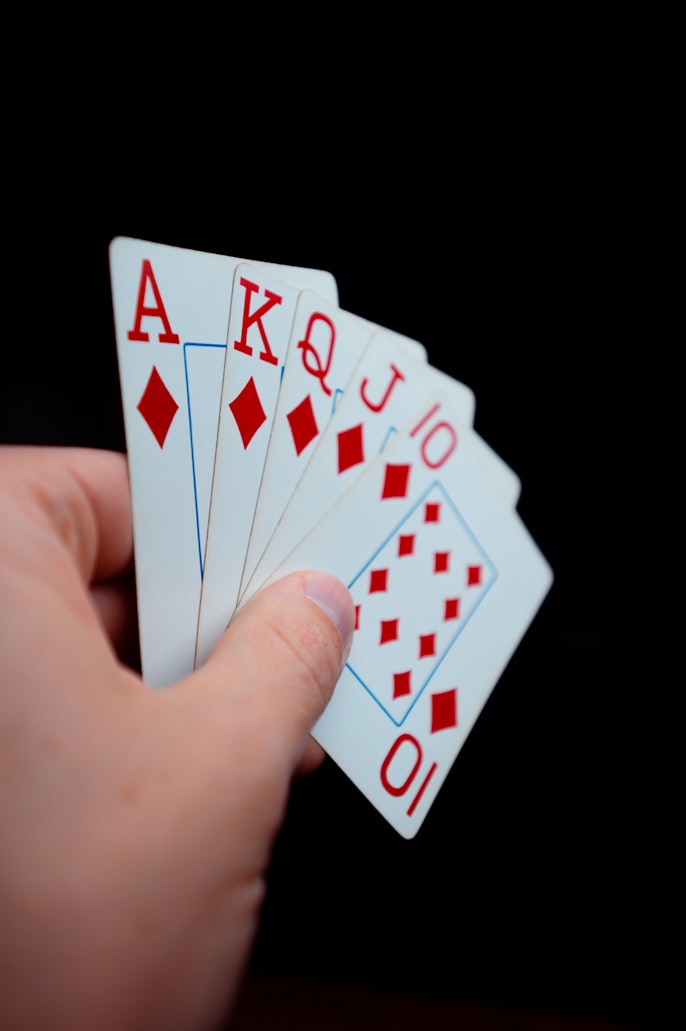
The Middle Ages saw a shift in the perception of gambling, often associated with moral dilemmas and the Church’s disapproval. However, this did not halt the practice; instead, it led to clandestine gambling activities. The introduction of playing cards in the 14th century further popularized gambling, culminating in the establishment of games like poker and blackjack during the Renaissance, which became a staple in European culture.
This period also saw the emergence of the first official gambling houses, known as casinos, in Italy. These establishments marked a significant evolution in the gambling landscape, transforming informal betting into a structured and regulated environment. The casino culture laid the groundwork for the modern gambling institutions we know today.
The Rise of Modern Gambling
The 19th century heralded the birth of modern gambling with the establishment of state-sponsored lotteries and the opening of iconic casinos in places like Monaco and Las Vegas. This era was characterized by an increase in public acceptance of gambling as a legitimate form of entertainment. The psychological aspects of gambling began to be studied, revealing that the thrill of risk often outweighed the potential losses.
The Psychology Behind Gambling
The psychology of gambling is complex and multifaceted. It involves a blend of thrill, anticipation, and the possibility of winning, which triggers the brain’s reward system. Many individuals are drawn to gambling not just for the chance to win money but also for the excitement and social interaction it provides. This psychological allure can lead to both responsible gaming and problematic gambling behaviors.

Engaging with Our Platform
As you explore the historical evolution of gambling, our website aims to be your comprehensive resource on the subject. We provide in-depth articles, analyses, and insights into the latest trends in the gambling world, enhancing your understanding of this captivating topic. Our commitment to user safety ensures that you can engage with our content without concerns.
“`


